Cool
The death of monoculture

We are grieving the death of a monoculture. Her untimely death has made everyone’s intrigue with being famous a tangible hobby turned side hustle turned career. Our eyes, attention span, and memory are fatigued from trying to retain micro-moments. How many memes can we be expected to understand if we are all experiencing a different internet?1
If you are a Black woman or another othered identity, experiencing a different internet did wonders to your teenage mental health. I could avoid magazine covers with blonde white women and their standard of beauty (kinda) by logging onto Tumblr and seeing archive Ebony magazine advertisements, learning about the natural hair movement, and just seeing pictures of carefree Black women amongst Bukowski quotes.
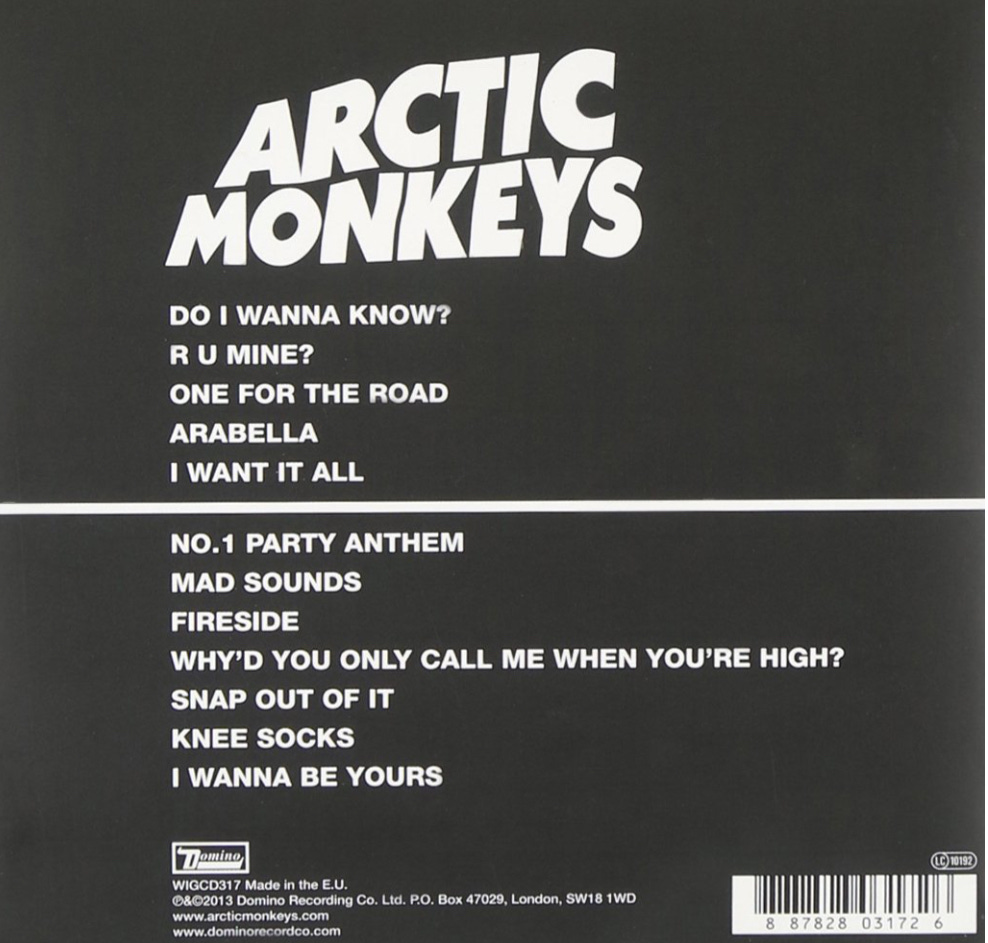
I could scroll past photos of Alexis Ren and hip dips and Fiji natural hair movement but the Arctic Monkey’s AM album was unavoidable. And I didn’t mind it. Teens today dream of being a teenager in 2014, when I was 18, and I completely understand why. It was the perfect amount of technology. We still mostly sat down at computers to do computer things. I spent my teen years texting tweets to Twitter, religiously seeing reruns, and technology respected my boundaries.
The media that you enjoyed, you would share in tangible ways. Burning CDs, buying $7-$10 movie tickets, and scouring Walmart $5 DVD bins for gems. Social media has made it easier to share every little thing that interests you. But most people use social media as an advertisement of their life and lifestyle.
Whether you’re posting a $9 smoothie, ski trip, or your daily ten mile run—you’re signaling lifestyle choices. Usually ones that endorse skinniness, leisure, and a surplus of disposable income. Even when people share screenshots of music that they’re listening to, it feels more like a Spotify or Apple Music advertisement so we know what format to expect your wrapped music for the year.
Spotify Wrapped posts just signal how much time you spend driving in your car, disassociating, or casually supporting racists and rapists since you can separate the art from the music. The truth is—when you actually think something is cool, you give it to someone. Not digitally. Not so they can find it through the algorithm. You buy the CD, book, movie ticket, or decadent meal and you make it an experience. A memory. A moment.
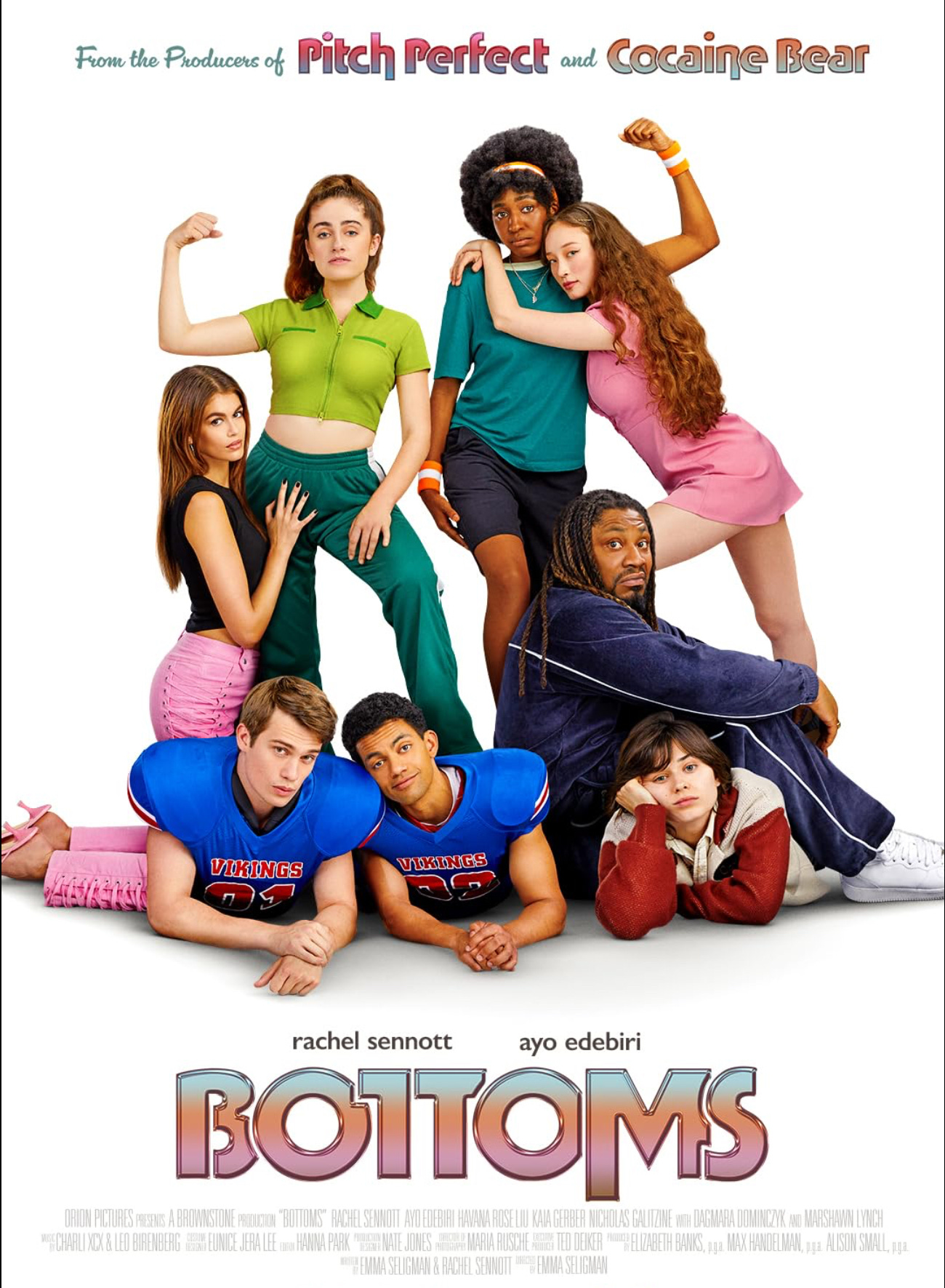
I saw Bottoms (2023) three different times in three different cities with three different friends. I’m committed to the rebirth of quality monoculture.
The death of monoculture came because instead of recommending media and clothes to each other, without expecting a financial return, people decided that they wanted to be a part of culture even if they had nothing to offer culture. While we are all consumers of culture, clearly we are not all artists.
It became blatantly clear that monoculture was six feet under due to anybody anywhere chasing fame and relevance when I saw subway ads for both Overcompensating and Adults. I thought they were the same show. During the press runs for these shows, Owen Thiele was on a podcast that I occasionally listen to, Keep It! Thiele is an influencer (?) and podcaster. Maybe a content creator turned actor?
At the 00:59:12 mark of this episode, Thiele says that podcasting doesn’t come easy to him. He continues, “I usually would say yes, but no, it doesn’t come that easily to me actually…First of all you actually have to have takes on the world and actually be well read and smart. So one thing I’m actually not. And two, you also need like, interesting lingo, like you need to captivate people. Like you need things that people want to comeback for. And it’s just, really hard to build.”
A+ for the self awareness but Thiele is highlighting a bigger problem here. Everything and every person that is trying to be cool or have a cultural moment has an expiration date the moment it tiptoes across the culture line. Because they don’t even know why they have to do the things they have to do. Why are you a multi-hyphenate if you’re not multi-talented? The imposter syndrome is accurately diagnosed.
This trend is not just podcasters and actors. Look at Dua Lipa. She had that one song. She couldn’t dance. She still can’t dance. She just surrounds herself with better dancers. Her lyrics are impersonal and she’s clearly just going for a “vibe.” During this decade of existence, vibe has become a word that is divorced from an adjective. Leaving it devoid from meaning, as a placeholder in a conversation you never circle back to. I can see why it has become a trendy word to talk about our culture and engagements.
Lipa’s last album is a travesty but she’s on a world tour because she’s a legacy act? At the age of thirty? It’s funny that she, like other celebrities, has created a brand to extend her career. A book club. A compulsive vacationer. A fiancee. But prioritizing becoming a brand is sacrificial to any artistic endeavors. Were these brands ever interested in being an artist? Or just famous?2
Capitalism forces people to become brands. Sure. But becoming a brand instead of becoming an artist riddles our culture with black holes.
No need to gang up on Miss Lipa when there are other moving targets that join her company. We now have a famous person named Addison born after 9/11 who “saved pop music.” I was unaware that Whitney Houston, Donna Summer, and Britney Spears’ music got wiped from the face of the Earth. When we witness what Addison does with a microphone in her hand, could the expiration not be more clear?
We have a famous person with the last name Carpenter, there always needs to be one, whether it’s John, Charisma, or Karen. The newest Carpenter heir inspires think pieces while I remain completely indifferent to everything but her charisma. The Lolita and Marilyn Monroe references leave bad tastes in many people’s mouths because once you have a developed frontal lobe, you realize how tired those references are. Marilyn Monroe was misunderstood and mysterious. Any maker that attempts to demystify her through movies, shows, fashion, art, or books is clearly a necrophiliac.3
Even in fashion, overly feminine and infantilizing styles always come back around. Remember ballet core? At least when we wore ballet flats and got shin splints during the Bush administration, we could get the shoes at Payless. Tight, gelled back buns reinforce a straight haired, white ideal (clean aesthetic) that every worker bee in a dystopian movie adorns.
Do you want to circle back to any of those people and trends in ten years time? If VH1 were to do a Top 100 Songs of the ‘20’s countdown, what would be on it? Besides Not Like US? How many songs would you recognize? Would any AI made videos or songs slip in?
When I heard the Arctic Monkeys on Tumblr in 2012, I was captivated. I went back through their previous albums to listen to their body of work. There were things about the older songs I liked and I could hear where they needed to grow. AM will always remind me of being sixteen. As someone who was vaccinated against nostalgia, I don’t long to be sixteen again. But as people get sick of being trapped in the digital world and its limited interactions, people will yearn for the discovery of art (actual art) that isn’t trying to sell them anything. Art to make you feel seen and that’s it.
Only then will we get back movie stars, theatrical experiences, music that feeds more than an algorithm, physical stores, style, and art for arts sake.
I am actually hopeful that if a monoculture does not completely come back, then a respect for actual culture makers will. Here’s a short list of things that give me hope.
Used bookstores FULL of patrons
People pissed when mom and pop shops close
Go fund me’s that keep local stores open
People trying to spend less time on their phones
Haters in comment sections making astute observations
People casually browsing record stores
I don’t have a TikTok.
Saweetie just dropped another “single”. God help us.
Yes. This is about Adrian Brody.
absolutely agree that every five minutes they try to feed us another little white girl who can’t sing and i refuse to learn any of their names or endorse the practice.
once the ariana grande to mariah carey comparisons started i turned down the volume on pop culture and never quite turned it back up.